EN
 SP
 FR

- Home
- About Us
- Products
- Service
- Project
- News
- Contact Us
Pulished on Jul. 20, 2023
If you wish to create a sustainable and eco-friendly project, it is important to choose materials that are environmentally friendly and can be recycled or reused. When it comes to fencing, pyramid mesh fencing is an excellent choice for green projects. Here are some sustainable materials that can be used to create an eco-friendly pyramid mesh fence:

Recycled Steel: Steel is a common material for constructing Pyramid Mesh fence. However, using recycled steel instead of new steel can significantly reduce the environmental impact of fencing. The production of recycled steel requires less energy and reduces the amount of waste that ends up in landfills.

Bamboo: Bamboo is a fast-growing renewable resource that is ideal for sustainable fencing projects. It is a highly durable material that resists weathering and pests.

Recycled Plastic: Recycled plastic is another environmentally friendly material that can be used to make a pyramid mesh fence. It is made from post-consumer plastic waste and can be recycled again at the end of its useful life.

Wood: Wood is a naturally renewable resource that can be used to create a sustainable pyramid mesh fence. However, it is important to choose wood that is Forest Stewardship Council (FSC) certified to ensure it is sustainably harvested.

Natural Fibers: Natural fibers such as hemp or jute can also be used to make an eco-friendly pyramid mesh fence. These materials are biodegradable and can be composted at the end of their useful life.
In conclusion, there are many sustainable materials that can be used to create an eco-friendly pyramid mesh fence. Recycled steel, bamboo, recycled plastic, FSC certified wood and natural fibers are all great options for green projects. By choosing sustainable materials for your projects, you can reduce your environmental impact and contribute to a more sustainable future.
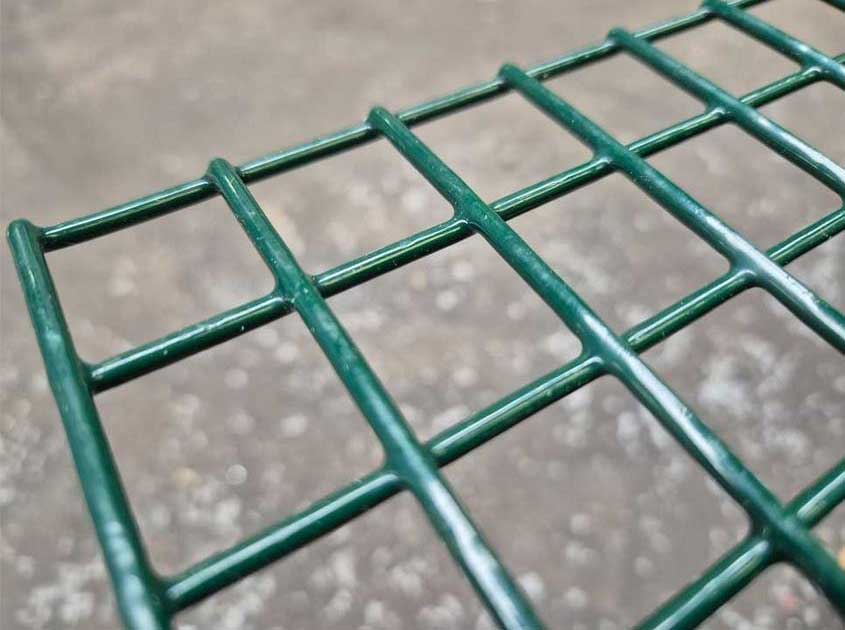
How to Select the Right Wire Diameter for Welded Wire Fence? A Practical Buyer’s Guide
Pulished on Nov. 18, 2026
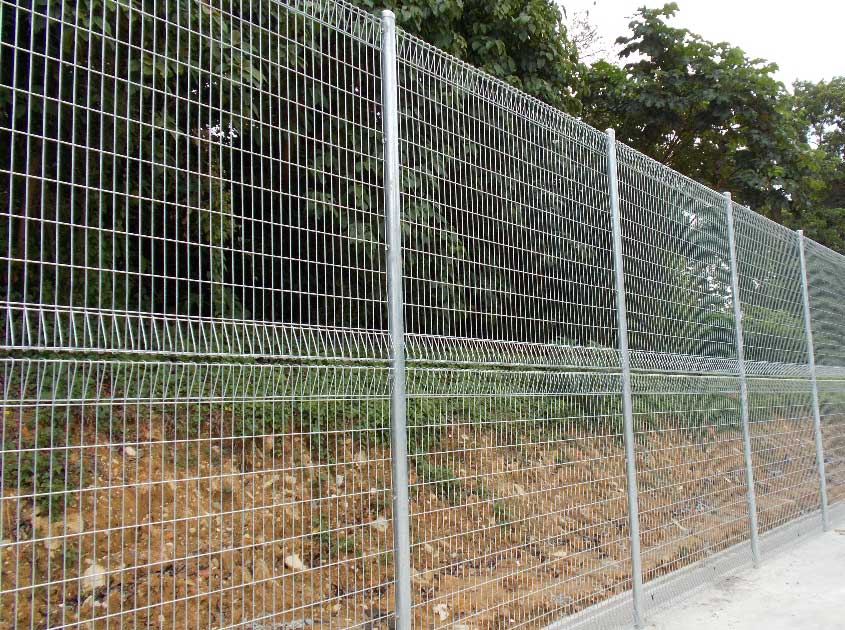
What Mesh Size Is Best for Welded Wire Fence? A Practical Selection Guide
Pulished on Nov. 09, 2026
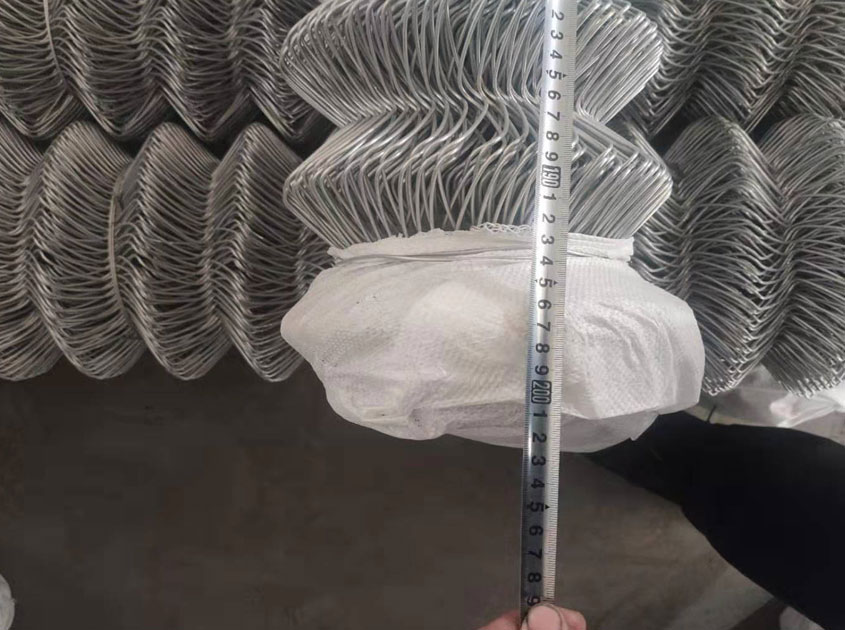
How Much Does Chain Link Fence Cost? A Complete Guide to Material Prices, Shipping and Project Costs
Pulished on Oct. 27, 2026
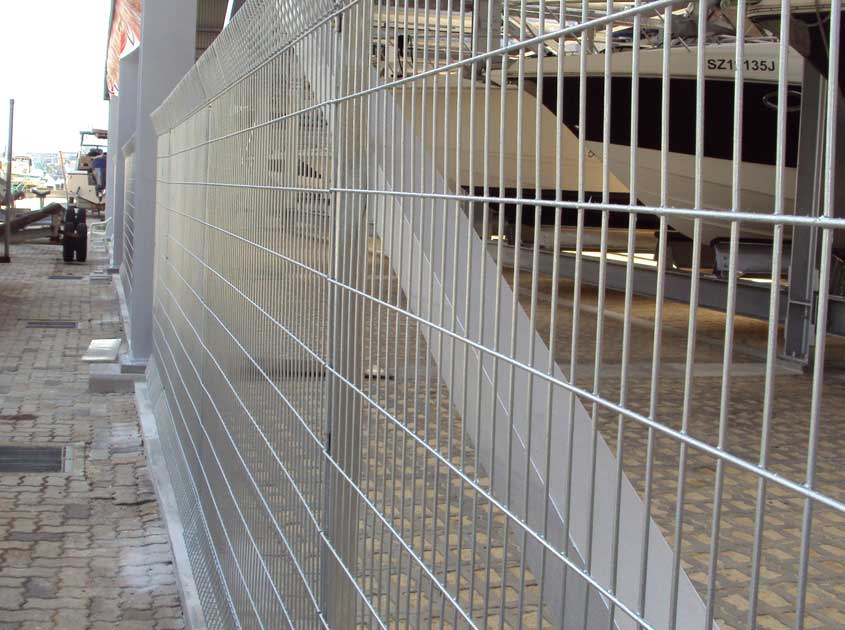
How to Install a Welded Wire Fence: A Step-by-Step Guide for Contractors
Pulished on Oct. 23, 2026
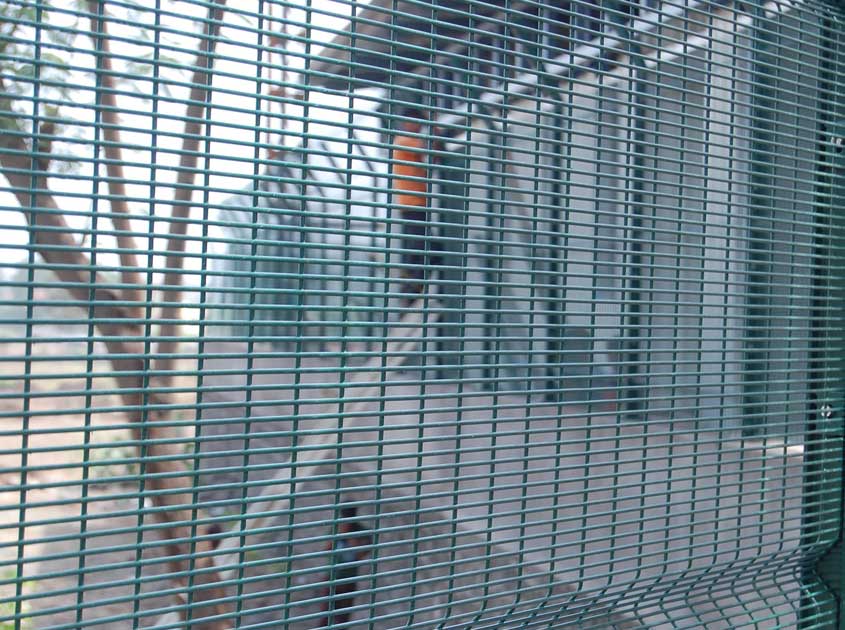
358 Fence vs Welded Wire Fence: Which Is Better for Your Project?
Pulished on Oct. 20, 2026
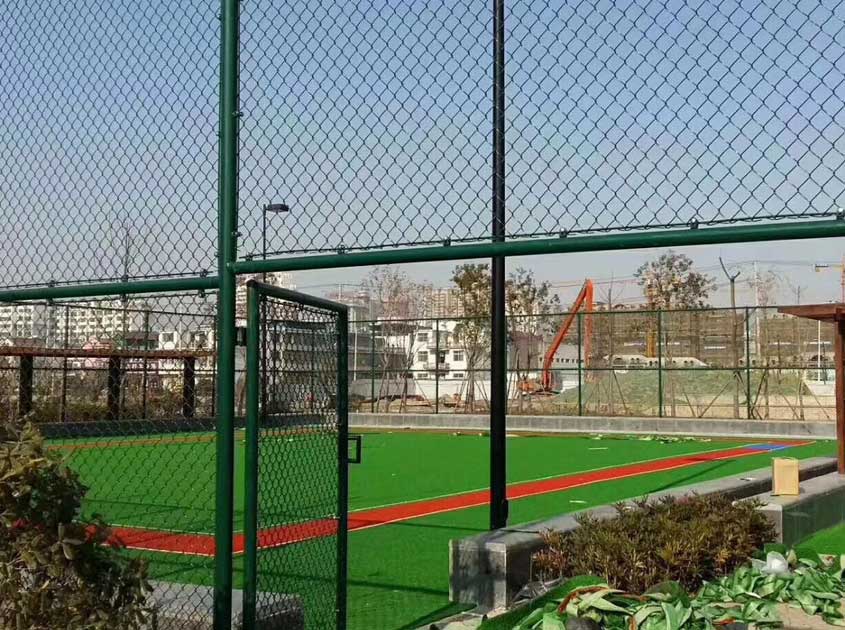
What Are the Advantages of Chain Link Fence? 8 Benefits for Commercial and Industrial Projects
Pulished on Oct. 16, 2026
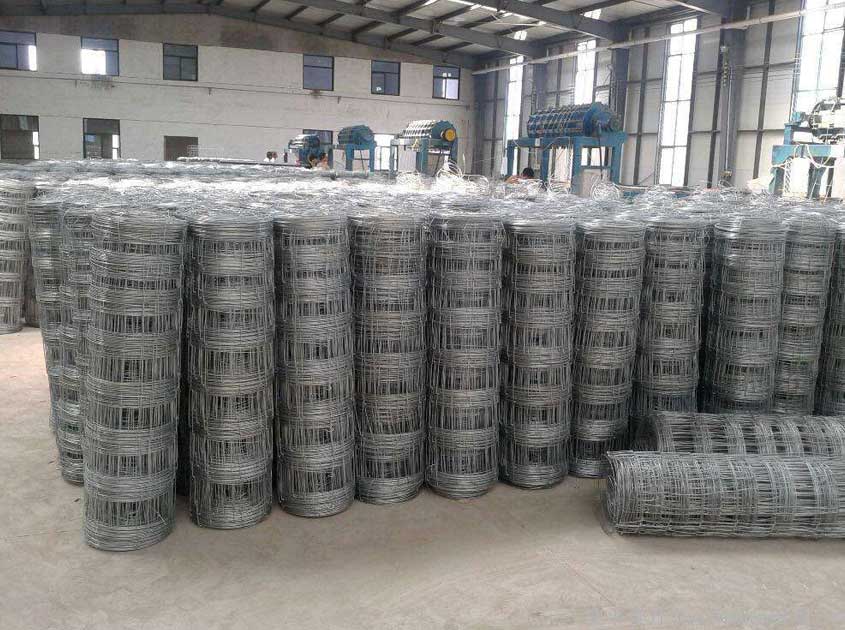
How to Choose Farm Fence for Cattle and Horses: Wire, Height and Design Guide
Pulished on Sep. 23, 2026
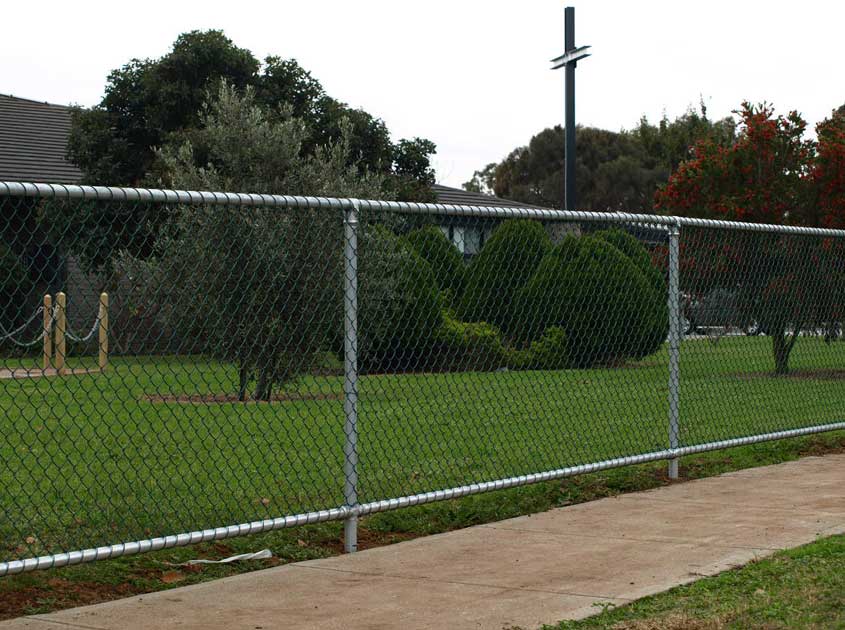
How Is Chain Link Fence Made? Manufacturing Process and Components
Pulished on Sep. 18, 2026
How to Select the Right Wire Diameter for Welded Wire Fence? A Practical Buyer’s Guide
Pulished on Nov. 18, 2026
What Mesh Size Is Best for Welded Wire Fence? A Practical Selection Guide
Pulished on Nov. 09, 2026
How Much Does Chain Link Fence Cost? A Complete Guide to Material Prices, Shipping and Project Costs
Pulished on Oct. 27, 2026
How to Install a Welded Wire Fence: A Step-by-Step Guide for Contractors
Pulished on Oct. 23, 2026
358 Fence vs Welded Wire Fence: Which Is Better for Your Project?
Pulished on Oct. 20, 2026
What Are the Advantages of Chain Link Fence? 8 Benefits for Commercial and Industrial Projects
Pulished on Oct. 16, 2026
How to Choose Farm Fence for Cattle and Horses: Wire, Height and Design Guide
Pulished on Sep. 23, 2026
How Is Chain Link Fence Made? Manufacturing Process and Components
Pulished on Sep. 18, 2026